Understanding IPTV and Its Popularity in 2026
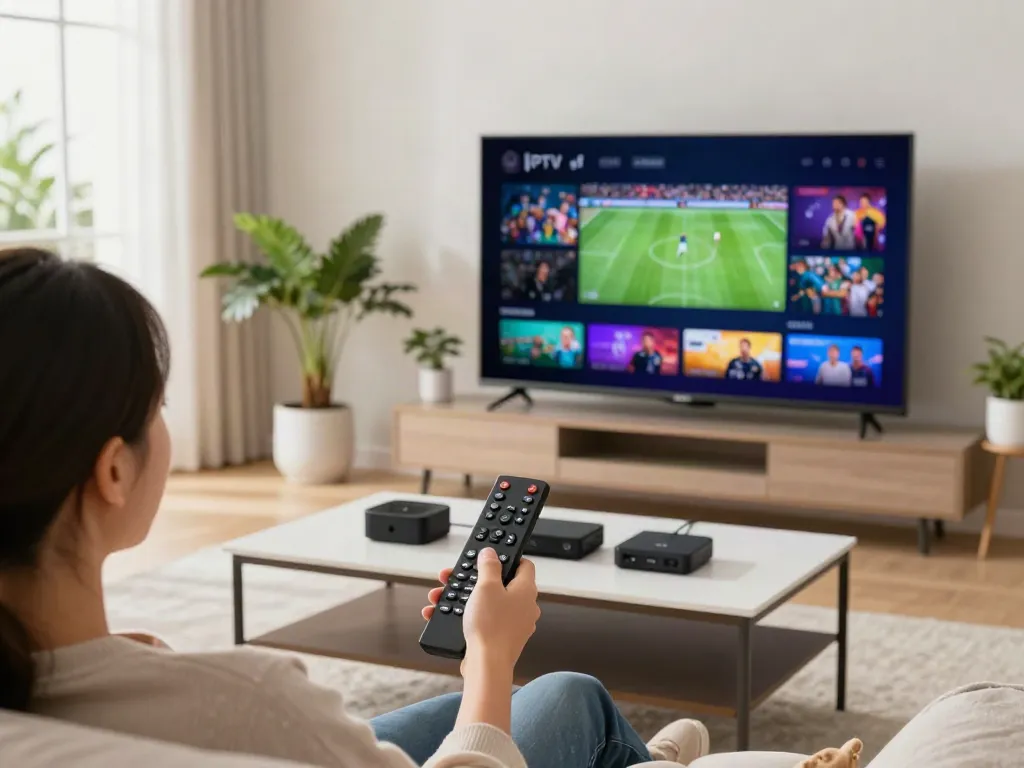
The landscape of television consumption has dramatically transformed in the past few years, with Internet Protocol Television (IPTV) emerging as a key player. In 2026, IPTV services are not only more accessible but also increasingly popular, offering a range of channels and content that cater to diverse audiences. With the ability to stream live sports, movies, and TV shows on various devices, users are keen to explore their options. For those looking to ensure they have the best experience possible, testing services before subscribing is vital. Tools and resources to test iptv will help potential subscribers make informed decisions that suit their viewing habits.
What is IPTV and How Does It Work?
IPTV stands for Internet Protocol Television, which means that television services are delivered via the internet rather than through traditional terrestrial, satellite, or cable formats. With IPTV, content is streamed in real-time, allowing viewers to watch shows as they are broadcasted or to access on-demand content instantly.
IPTV works by delivering data packets over the internet, which are then decoded by the user's device. This system allows for high-quality video and audio streams, making it an appealing option for those who demand the best viewing experience. Moreover, with the advent of 4K technology, IPTV has raised the bar for quality, ensuring viewers can enjoy crystal-clear images and vibrant colors.
The Rise of IPTV Subscriptions
The surge in IPTV subscriptions can be attributed to several factors. Firstly, the flexibility that IPTV provides is unmatched. Users can choose from a wide range of subscription plans that cater to their specific needs, whether it be a monthly plan or a yearly subscription. Additionally, the increase in mobile device usage has driven the demand for IPTV services, enabling users to watch their favorite shows and sports events on the go.
Furthermore, IPTV services often come bundled with numerous channels, including exclusive content that may not be available through standard cable packages. This has attracted a wide array of viewers, from sports enthusiasts eager to catch live matches to families looking for diverse entertainment options.
Benefits of Testing IPTV Before Committing
Testing IPTV services before committing to a subscription is crucial for several reasons. Firstly, it allows users to assess the quality of the service they are considering. A trial period can reveal whether the streams are stable, and how well they perform on the devices the customer intends to use. Secondly, testing provides insight into the range of channels available and the overall user experience, including the interface of the streaming platform and how easy it is to navigate.
Moreover, testing can uncover potential compatibility issues with various devices. Ensuring that the IPTV service works seamlessly on your Smart TV, tablet, or smartphone can save users from headaches down the line. Popular IPTV providers often offer a test IPTV period lasting 24 hours to 7 days, making it relatively easy for prospective customers to evaluate their options effectively.
Common Mistakes When Testing IPTV
Overlooking Device Compatibility
A common mistake made by users when testing IPTV services is overlooking device compatibility. Each IPTV provider may have different specifications for their services, and failing to check if the service is compatible with your Smart TV, streaming device, or mobile phone could lead to a frustrating experience.
Before subscribing, it’s important to confirm that the service works as intended on your preferred devices. Many providers offer detailed lists of compatible devices, so checking this information can help prevent wasted time and money.
Incorrectly Configuring Network Settings
Another pitfall is incorrectly configuring network settings during the testing phase. Users often forget that a stable internet connection and proper router settings are crucial for optimal IPTV performance. Before testing, users should ensure their internet speed meets the minimum requirements set by the provider, typically at least 10 Mbps for standard definition and higher for HD or 4K content.
Additionally, setting up the router correctly, including any Quality of Service (QoS) settings, can enhance the streaming experience significantly. Ensuring your internet connection is fast and stable will allow you to assess the IPTV service's quality accurately.
Misunderstanding Trial Limitations
Many users make the mistake of misunderstanding the limitations of trial offers. Some trial periods may have restricted access to certain channels or features, which can lead to a skewed evaluation of the service. It’s crucial to read all the terms and conditions carefully before starting a trial to understand what is included and what is not.
Taking advantage of a comprehensive test IPTV service allows users to experience the full range of content available, giving them a clearer picture of what to expect should they decide to subscribe.
How to Properly Test IPTV Services
Step-by-Step Guide to Testing IPTV
Properly testing an IPTV service can be done in a few straightforward steps:
- Select a reliable provider: Start by researching IPTV providers with a good reputation and positive reviews.
- Initiate a trial: Most providers offer a trial period (24 hours to 7 days) that allows you to test their service before committing to a subscription.
- Check device compatibility: Ensure your device is compatible with the IPTV service to avoid connectivity issues.
- Run a speed test: Use an online speed test tool to confirm your internet speed and assess whether it meets the service’s requirements.
- Test the interface: Explore the app or platform to familiarize yourself with navigation and content categories.
- Evaluate stream quality: Check for buffering, loading times, and overall picture quality during various times of day.
- Review customer support: Contact support with any questions to gauge responsiveness and assistance quality.
Using Online Tools for Stream Testing
When evaluating IPTV services, various online tools are available that can help streamline the testing process. For instance, some tools allow users to input their M3U playlists or Xtream Codes to check stream health and performance. These platforms can provide insights into bitrate, stability, and whether channels are active, helping users make informed decisions.
Leveraging such online testing tools can dramatically enhance the overall testing experience, allowing users to pinpoint potential issues before committing to a full subscription.
Evaluating Performance Metrics
When testing an IPTV service, it's essential to evaluate several performance metrics that contribute to an overall satisfactory viewing experience:
- Buffering: The amount of time content takes to start and whether it pauses frequently during playback.
- Video Quality: Assessing resolution quality, particularly for services that advertise 4K or HD content.
- Stability: The frequency of stream interruptions or outages.
- Channel Variety: The breadth of channels offered, including local and international content.
Real-World Examples of IPTV Testing
Case Studies of Successful IPTV Trials
To help illustrate the importance of testing IPTV services, we can look at a few case studies wherein users successfully evaluated their options:
Consider a user interested in sports who decided to test an IPTV service before subscribing. They utilized the provider’s 7-day trial and found the service provided access to all the major channels needed for live sports events. During the trial, they tested streaming on a Smart TV and a mobile app, successfully navigating both without issues, which ultimately led them to commit long-term.
User Experiences and Testimonials
User experiences often reveal valuable insights about the testing process. Many customers express satisfaction with services that are straightforward and provide clear guidance for any issues encountered. Testimonials highlight the importance of responsive customer support and the smooth onboarding process that enhances their overall IPTV experience.
Comparative Analysis of Trending Services
Performing a comparative analysis of trending IPTV services is beneficial for new customers. By evaluating various providers side by side in terms of pricing, channel offerings, and user reviews, individuals can gain a comprehensive understanding of what to expect. This analysis ensures that users choose the IPTV service that best aligns with their viewing preferences and budget.
Future Trends in IPTV for 2026 and Beyond
Emerging Technologies Influencing IPTV
The future of IPTV is set to be shaped by emerging technologies that aim to enhance user experience further. Innovations such as Artificial Intelligence (AI) and Machine Learning (ML) are being integrated into IPTV services to provide personalized recommendations based on users’ viewing habits, allowing for a tailored content experience.
Moreover, advancements in 5G technology promise to improve streaming quality and accessibility, enabling seamless viewing even in areas with previously low connectivity.
The Shift Toward Customizable Subscriptions
As competition in the IPTV market intensifies, there is a noticeable shift toward customizable subscription plans. Providers are beginning to offer more flexibility, allowing customers to select only the channels they desire, thereby avoiding bundled packages that do not meet their needs. This trend empowers users to create a more personalized TV viewing experience.
Predictions for IPTV Market Growth
Looking ahead, experts predict significant growth in the IPTV market over the next few years. With a projected increase in internet connectivity around the globe and the continuous rise of mobile device usage, more consumers are expected to shift from traditional TV to IPTV services. As a result, providers who invest in quality content and customer service will likely dominate the market.
What is the best way to test IPTV?
The best way to test IPTV is through a structured approach that includes utilizing trials offered by providers, checking device compatibility, and closely monitoring performance metrics such as buffering and video quality.
How often should I test my IPTV service?
It is advisable to test your IPTV service at least once a year or whenever you notice changes in service quality, such as increased buffering or loss of channels. Regular testing ensures that your service continues to meet your viewing needs.
Are there specific devices that work better for IPTV?
Devices like Smart TVs, Android TV Boxes, and streaming sticks (e.g., Amazon Fire Stick) generally work well for IPTV services. However, it's essential to ensure that the IPTV service you choose is compatible with the device you plan to use.
What common issues arise when testing IPTV?
Common issues during IPTV testing may include buffering, low video quality, and problems with channel accessibility. These issues underscore the importance of a robust internet connection and device compatibility.
Can I switch IPTV providers after testing?
Yes, you can switch IPTV providers after testing. Many users choose to test multiple services to find the one that best fits their needs before committing to a long-term subscription.